Tirzepatide Oral Side Effects: What to Watch Out For
Tirzepatide Oral Side Effects: What to Watch Out For
Understanding the Side Effect Profile
Tirzepatide is a dual GIP and GLP-1 receptor agonist that has reshaped the treatment landscape for obesity and type 2 diabetes. Whether administered as an injection or explored in tirzepatide oral formulations under development, the drug's mechanism of action directly influences the gastrointestinal tract, the pancreas, and appetite-regulating pathways in the brain. Because of this, the most commonly reported side effects are gastrointestinal in nature and tend to be most intense during the dose-escalation phase, when the body is first adjusting to the medication.
Most side effects are dose-dependent and transient. They typically peak within the first four to eight weeks of treatment and improve as the body adapts. Understanding what to expect allows patients and clinicians to distinguish manageable discomfort from warning signs that require medical attention.
Gastrointestinal Effects: The Most Common Complaints
Nausea is the most frequently reported side effect, affecting a significant percentage of users in clinical trials. It is usually mild to moderate and occurs most often after a dose increase. Vomiting, diarrhea, and constipation are also common and can alternate, making bowel habits temporarily unpredictable. Some patients report abdominal bloating, fullness, or a slow-emptying sensation that mirrors gastroparesis-like symptoms. This reflects the drug's effect on gastric motility, which is part of how it promotes satiety.
Managing these effects often involves eating smaller meals, avoiding high-fat or spicy foods, staying well-hydrated, and not lying down immediately after eating. Clinicians typically use a gradual titration schedule starting at a low dose for this reason. Forcing the dose up too quickly significantly increases the likelihood and severity of these reactions.
Dehydration Risk
Persistent nausea, vomiting, or diarrhea can lead to dehydration, which is a genuine clinical concern. Dehydration may worsen existing kidney function issues and can interact poorly with medications such as ACE inhibitors, ARBs, or diuretics. Patients should monitor urine color and fluid intake, and seek medical attention if they cannot keep fluids down for more than 24 hours.
Metabolic and Pancreatic Concerns
Pancreatitis is a rare but serious adverse event associated with the GLP-1 receptor agonist class, and tirzepatide carries a similar warning. Symptoms include severe, persistent abdominal pain that may radiate to the back, sometimes accompanied by nausea and vomiting. This is distinct from routine GI discomfort and warrants immediate medical evaluation. Patients with a history of pancreatitis are generally advised to use tirzepatide with caution or avoid it entirely.
Hypoglycemia, or low blood sugar, is uncommon when tirzepatide is used alone but becomes a real risk when combined with insulin or sulfonylureas. Patients on these combinations should monitor blood glucose more closely and be prepared to treat episodes of hypoglycemia with fast-acting glucose sources.
Thyroid and Long-Term Monitoring Considerations
Animal studies showed that GLP-1 receptor agonists caused thyroid C-cell tumors in rodents. Although this has not been demonstrated in humans, tirzepatide carries a boxed warning regarding medullary thyroid carcinoma. Patients with a personal or family history of medullary thyroid carcinoma or multiple endocrine neoplasia syndrome type 2 should not use this medication. Any new neck lump, hoarseness, difficulty swallowing, or persistent neck pain should be reported promptly.
As research into tirzepatide oral delivery advances, it is important to note that bioavailability and absorption characteristics may differ from injectable formulations, potentially affecting both efficacy and side effect timing. Patients participating in oral formulation trials or considering future oral options should discuss how the delivery route might alter their individual risk profile.
Less Common but Notable Side Effects
- Injection-site reactions including redness, swelling, or itching at the administration point
- Heart rate increase of 1 to 4 beats per minute, observed in clinical trials
- Fatigue or reduced energy, particularly during the early weeks of therapy
- Hair thinning or shedding, which is often related to rapid weight loss rather than the drug itself
- Gallbladder complications, including gallstones, associated with significant weight loss on any therapy
- Allergic reactions, ranging from mild rash to rare cases of anaphylaxis
When to Contact Your Doctor
Routine GI discomfort during dose escalation is expected. However, certain symptoms fall outside the normal adjustment window. Seek prompt medical evaluation for severe or persistent abdominal pain, signs of dehydration, unexplained rapid heart rate, vision changes, or symptoms suggesting an allergic reaction. Patients already managing kidney disease, liver conditions, or complex medication regimens should maintain closer follow-up schedules throughout treatment.
Tirzepatide oral and injectable formulations represent a meaningful advance in metabolic medicine, but informed use requires recognizing the difference between predictable adjustment effects and signals that need clinical attention. Open communication with your prescribing physician remains the most effective tool for managing side effects and staying safely on treatment.
Recommended products
- #1
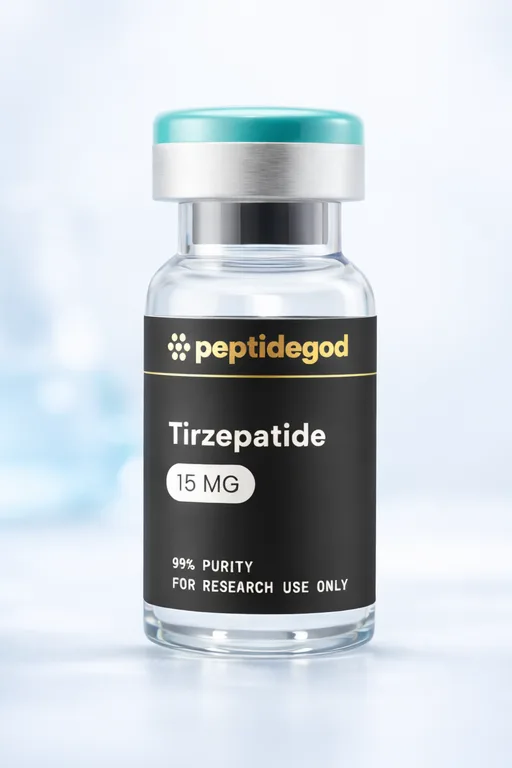 Tirzepatideoral
Tirzepatide 5mg
Best Seller(50)While Tirzepatide is a powerful tool for weight loss, managing the transition to 5mg is important for a positive experience. The 5mg dosage is designed to be the "sweet spot" of efficacy, but it requires proper titration. Common side effects like mild nausea or fatigue are often
- HPLC ≥99%
- COA included
- 3rd-party tested
$50.00Order - #2
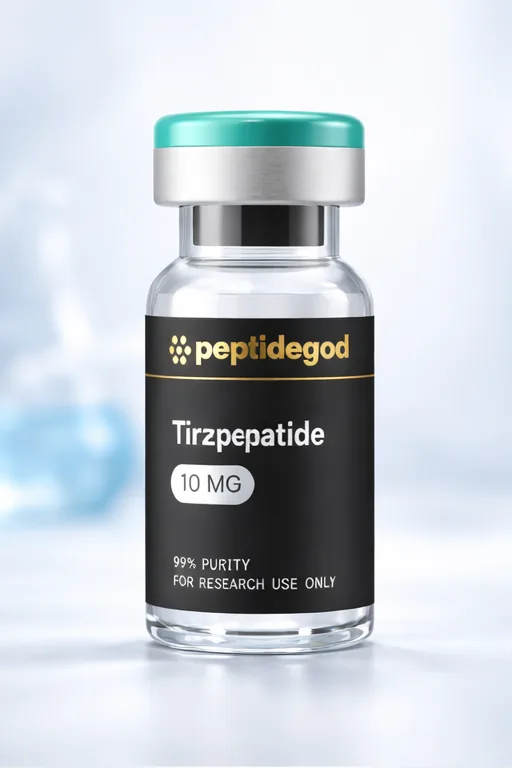 Tirzepatideoral
Tirzepatide 10mg
New(87)Not all fat is created equal, and Tirzepatide 10mg is uniquely equipped to target dangerous visceral fat stored deep within the abdomen. This high-level dosage significantly alters how the body partitions nutrients, shifting the metabolism away from fat storage and toward fat oxi
- HPLC ≥99%
- COA included
- 3rd-party tested
$85.00Order - #3Tirzepatideoral
Tirzepatide 15mg
Most Popular(124)At the 15mg concentration, Tirzepatide exerts its maximum influence over the neurological pathways that control hunger and reward. Users on the 15mg dose frequently report a state of complete "food freedom"—an absolute silencing of the obsessive thoughts about eating, snacking, a
- HPLC ≥99%
- COA included
- 3rd-party tested
$125.00Order - #4
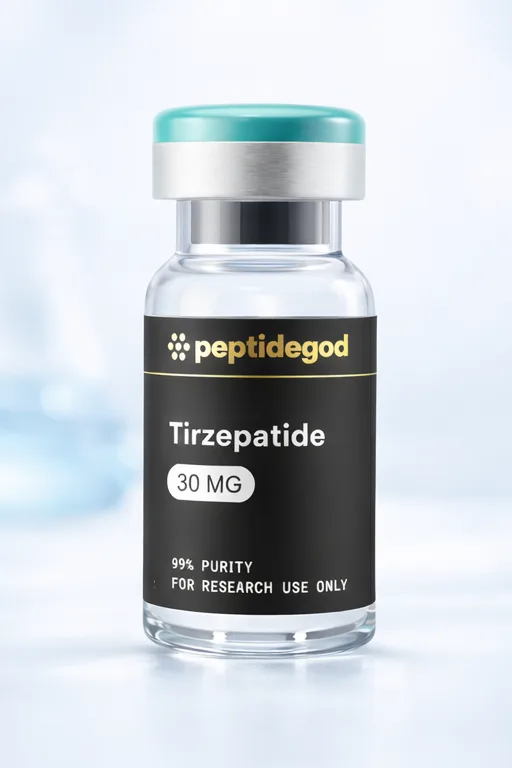 Tirzepatideoral
Tirzepatide 30mg
Best Value(161)Moving up the tirzepatide dosage chart requires a steady, reliable supply of the peptide. The 30mg multi-dose vial is uniquely suited for smooth titration, allowing you to gradually increase your dose—from 2.5mg to 5mg, and up to 7.5mg—all from a single vial. This eliminates the
- HPLC ≥99%
- COA included
- 3rd-party tested
$230.00Order - #5
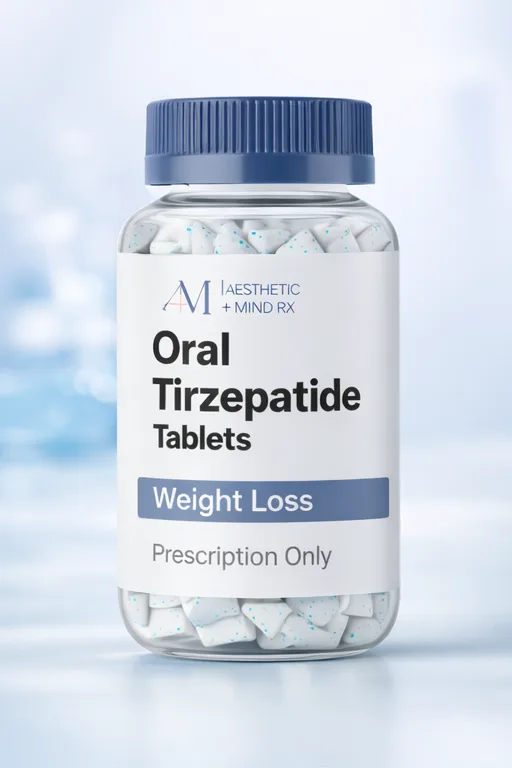 Tirzepatideoral
Tirzepatide oral
Top Pick(198)Visceral fat—the dangerous adipose tissue stored deep within the abdomen—is notoriously difficult to lose. Oral Tirzepatide is a powerful tool for targeting these toxic fat reserves. By providing a daily surge of GIP and GLP-1, these tablets fundamentally alter how your body part
- HPLC ≥99%
- COA included
- 3rd-party tested
$70.00Order - #6
 Tirzepatideoral
Tirzepatide tablets
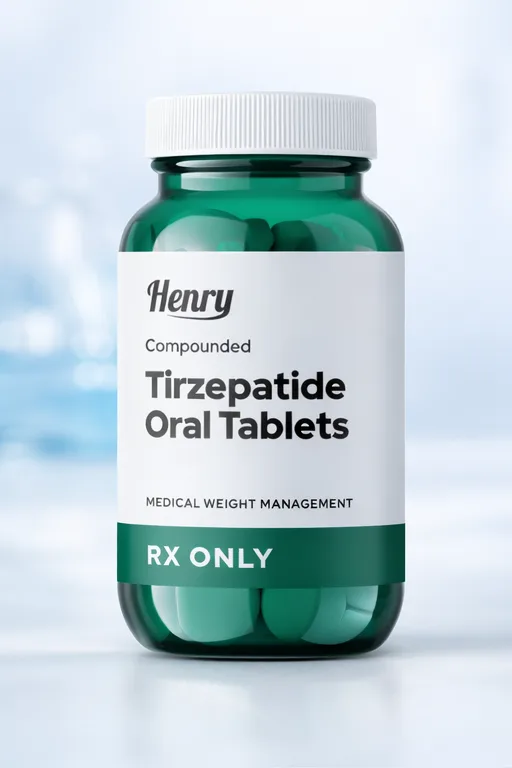
Trending(235)Visceral fat—the dangerous adipose tissue stored deep within the abdomen—is notoriously difficult to lose. Tirzepatide tablets are a powerful tool for targeting these toxic fat reserves. By providing a daily surge of GIP and GLP-1, these pills fundamentally alter how your body pa
- HPLC ≥99%
- COA included
- 3rd-party tested
$130.00Order
See top-rated vendors
Compare prices, purity and shipping at a glance.
Reviewed by the Tirzepatideoral Research Team · Last updated February 2026
References & Scientific Sources
- Frias JP, et al. Tirzepatide vs semaglutide in type 2 diabetes (SURPASS-2). N Engl J Med. 2021.
- Rosenstock J, et al. Efficacy and safety of tirzepatide monotherapy (SURPASS-1). Lancet. 2021.
- Ludvik B, et al. Tirzepatide versus insulin degludec (SURPASS-3). Lancet. 2021.
Sources are provided for educational reference. This content is informational and not a substitute for professional medical advice.