Tirzepatide Oral Dosage Protocol for Maximum Weight Loss
Tirzepatide Oral Dosage Protocol for Maximum Weight Loss
Understanding Tirzepatide and Its Dual Mechanism
Tirzepatide is a dual glucose-dependent insulinotropic polypeptide (GIP) and glucagon-like peptide-1 (GLP-1) receptor agonist approved by the FDA for chronic weight management and type 2 diabetes. Unlike single-receptor agonists, its dual mechanism targets two distinct incretin pathways simultaneously. GIP enhances insulin secretion and modulates adipose tissue metabolism, while GLP-1 slows gastric emptying, suppresses appetite, and reduces overall caloric intake. This synergistic action produces greater weight loss than either pathway alone, explaining why tirzepatide has outperformed earlier GLP-1 monotherapies in head-to-head clinical comparisons.
Injectable Tirzepatide vs. Emerging Tirzepatide Oral Delivery
The original tirzepatide formulation, marketed as Mounjaro for type 2 diabetes and Zepbound for obesity, is administered as a subcutaneous weekly injection. Research into tirzepatide oral delivery is ongoing, driven by strong patient preference for non-injectable options and the commercial success of oral semaglutide. Oral peptide delivery presents significant pharmacokinetic challenges because digestive enzymes rapidly degrade peptide molecules before systemic absorption can occur. Developers have explored absorption enhancers, enteric coatings, and novel excipients to protect the molecule through the gastrointestinal tract. While injectable tirzepatide remains the current standard of care, understanding the pharmacology behind both routes informs how clinicians approach titration and long-term dosing strategy.
The Standard Titration Schedule
Tirzepatide dosing follows a structured escalation schedule designed to minimize gastrointestinal side effects while building toward full therapeutic efficacy. The approved protocol begins at 2.5 mg once weekly for four weeks. This starting dose is a tolerability phase, not a weight-loss dose. After four weeks, the dose increases to 5 mg weekly, which represents the first therapeutically active tier. Prescribers then assess tolerability before advancing through 7.5 mg, 10 mg, 12.5 mg, and 15 mg maintenance doses, with each step separated by at least four weeks. The 15 mg weekly dose is the maximum approved dose. In the SURMOUNT-1 trial, participants at this dose achieved a mean body weight reduction of 22.5 percent over 72 weeks, the highest result recorded in a phase 3 obesity pharmacotherapy trial at the time of publication.
Factors That Drive Individualized Dose Decisions
Not every patient reaches or requires the maximum 15 mg dose. Dose escalation decisions depend on several patient-specific variables. Gastrointestinal tolerability is the primary limiting factor, with nausea, vomiting, and diarrhea most pronounced during dose-increase weeks and typically resolving within one to two weeks at a stable level. Extending time at each step from four to eight weeks significantly reduces early discontinuation in sensitive patients. Renal and hepatic function influence drug clearance and may support more conservative escalation. Patients with type 2 diabetes on insulin or sulfonylureas need careful medication adjustment as glycemic control improves, to prevent hypoglycemia during titration.
Dietary and Lifestyle Adjuncts
Tirzepatide produces the strongest outcomes when combined with a structured dietary plan and regular physical activity. High-protein, reduced-calorie diets help preserve lean muscle mass during rapid weight reduction. Patients who add resistance training alongside pharmacotherapy demonstrate measurably better body composition outcomes than those using medication alone. Behavioral support through regular contact with a dietitian or obesity medicine specialist improves long-term adherence and helps patients navigate appetite variability across the titration process.
Managing Side Effects During Dose Escalation
Gastrointestinal adverse effects are the most common reason patients slow or pause titration. Practical strategies to reduce their impact include taking injections with a small, low-fat meal rather than on an empty stomach, eating smaller portions more frequently during dose-increase weeks, and maintaining adequate hydration. Antiemetic medications are occasionally prescribed short-term to help patients complete a difficult titration step without abandoning treatment entirely. Temporary dose reduction is preferable to discontinuation when persistent vomiting prevents adequate nutritional intake.
- Begin at 2.5 mg weekly for the first four weeks regardless of prior GLP-1 history
- Increase in 2.5 mg increments no faster than every four weeks
- Hold the current dose an additional four to eight weeks if side effects are unresolved
- Reduce dose temporarily if vomiting prevents adequate nutrition or hydration
- Reassess escalation goals at the 5 mg and 10 mg thresholds based on individual response
Long-Term Treatment Expectations
Tirzepatide is a chronic therapy, not a short-term intervention. Clinical data confirm that substantial weight regain occurs after discontinuation, with patients recovering a significant portion of lost weight within one year of stopping. This positions it as a long-term medication for most patients, comparable in duration to antihypertensive or lipid-lowering therapy. As the landscape for tirzepatide oral administration continues to evolve and additional formulations advance through clinical development, patients will have more options in how they receive the medication. Regardless of delivery route, the core dosing principles remain constant: slow titration, individualized escalation pacing, and sustained adherence supported by regular clinical follow-up and metabolic monitoring.
Recommended products
- #1
 Tirzepatideoral
Tirzepatide 5mg
Best Seller(50)While Tirzepatide is a powerful tool for weight loss, managing the transition to 5mg is important for a positive experience. The 5mg dosage is designed to be the "sweet spot" of efficacy, but it requires proper titration. Common side effects like mild nausea or fatigue are often
- HPLC ≥99%
- COA included
- 3rd-party tested
$50.00Order - #2
 Tirzepatideoral
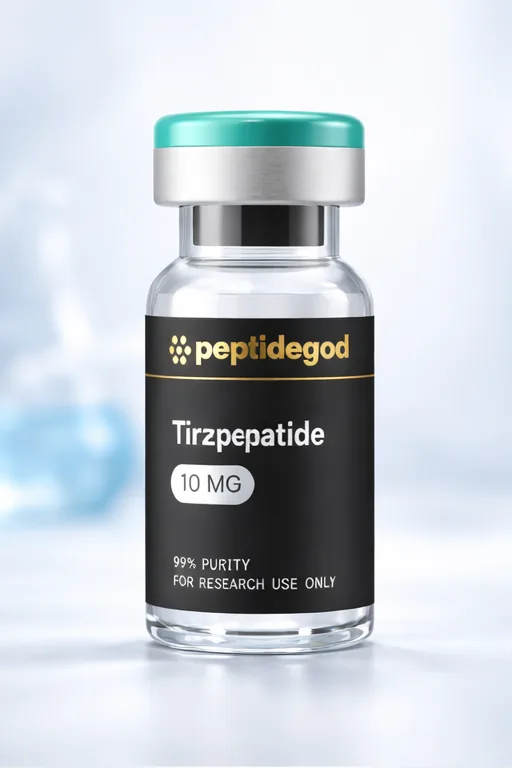
Tirzepatide 10mg
New(87)Not all fat is created equal, and Tirzepatide 10mg is uniquely equipped to target dangerous visceral fat stored deep within the abdomen. This high-level dosage significantly alters how the body partitions nutrients, shifting the metabolism away from fat storage and toward fat oxi
- HPLC ≥99%
- COA included
- 3rd-party tested
$85.00Order - #3Tirzepatideoral
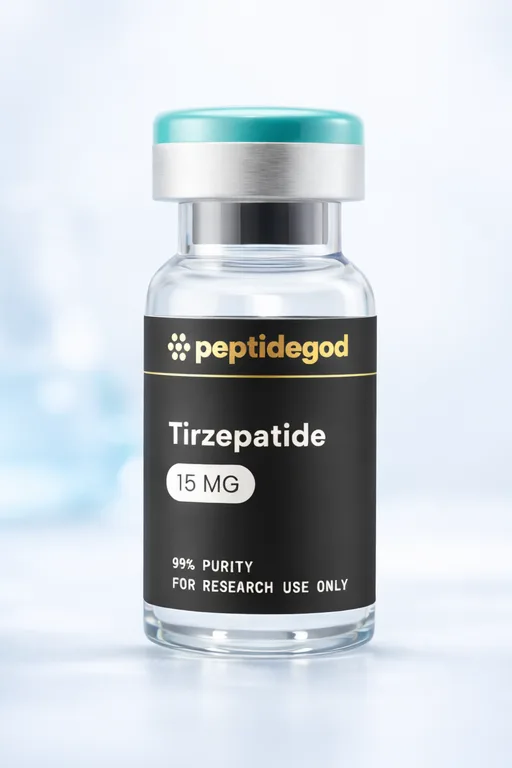
Tirzepatide 15mg
Most Popular(124)At the 15mg concentration, Tirzepatide exerts its maximum influence over the neurological pathways that control hunger and reward. Users on the 15mg dose frequently report a state of complete "food freedom"—an absolute silencing of the obsessive thoughts about eating, snacking, a
- HPLC ≥99%
- COA included
- 3rd-party tested
$125.00Order - #4
 Tirzepatideoral
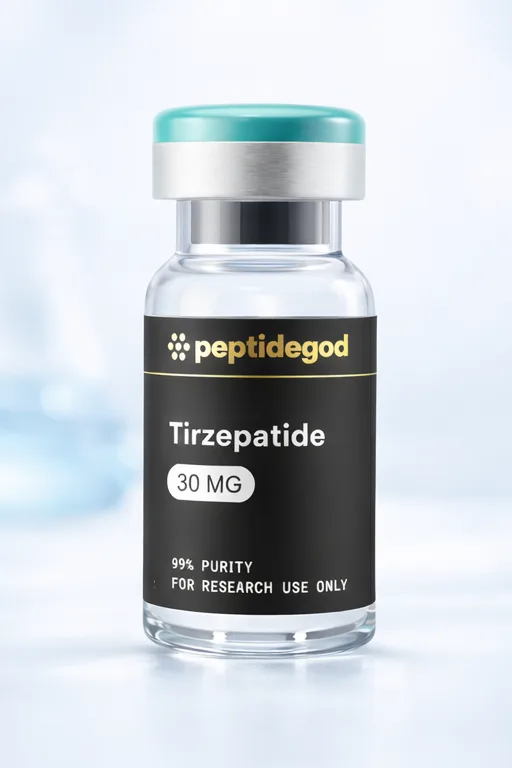
Tirzepatide 30mg
Best Value(161)Moving up the tirzepatide dosage chart requires a steady, reliable supply of the peptide. The 30mg multi-dose vial is uniquely suited for smooth titration, allowing you to gradually increase your dose—from 2.5mg to 5mg, and up to 7.5mg—all from a single vial. This eliminates the
- HPLC ≥99%
- COA included
- 3rd-party tested
$230.00Order - #5
 Tirzepatideoral
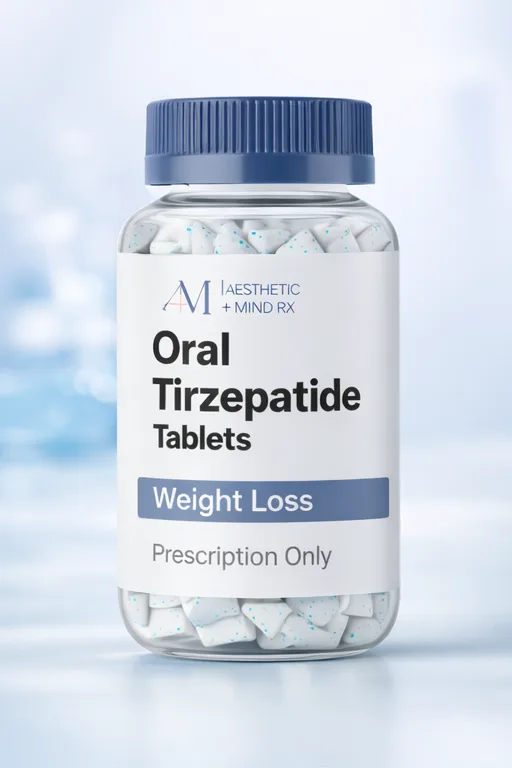
Tirzepatide oral
Top Pick(198)Visceral fat—the dangerous adipose tissue stored deep within the abdomen—is notoriously difficult to lose. Oral Tirzepatide is a powerful tool for targeting these toxic fat reserves. By providing a daily surge of GIP and GLP-1, these tablets fundamentally alter how your body part
- HPLC ≥99%
- COA included
- 3rd-party tested
$70.00Order - #6
 Tirzepatideoral
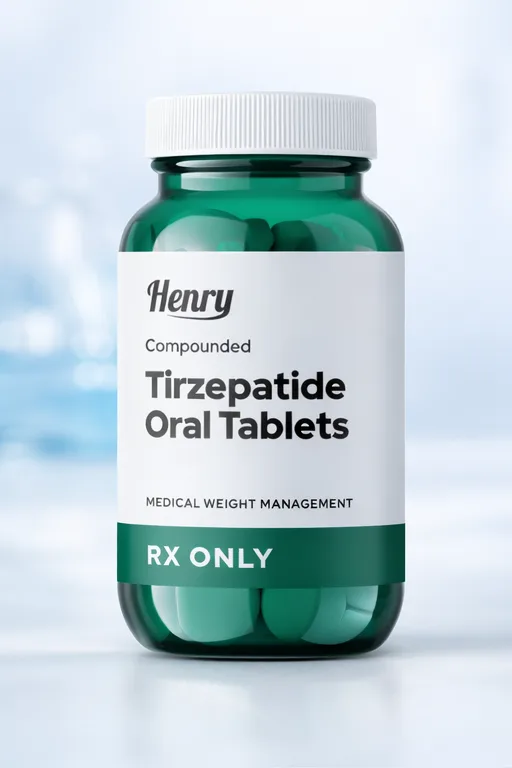
Tirzepatide tablets
Trending(235)Visceral fat—the dangerous adipose tissue stored deep within the abdomen—is notoriously difficult to lose. Tirzepatide tablets are a powerful tool for targeting these toxic fat reserves. By providing a daily surge of GIP and GLP-1, these pills fundamentally alter how your body pa
- HPLC ≥99%
- COA included
- 3rd-party tested
$130.00Order
See top-rated vendors
Compare prices, purity and shipping at a glance.
Reviewed by the Tirzepatideoral Research Team · Last updated February 2026
References & Scientific Sources
- Frias JP, et al. Tirzepatide vs semaglutide in type 2 diabetes (SURPASS-2). N Engl J Med. 2021.
- Rosenstock J, et al. Efficacy and safety of tirzepatide monotherapy (SURPASS-1). Lancet. 2021.
- Ludvik B, et al. Tirzepatide versus insulin degludec (SURPASS-3). Lancet. 2021.
Sources are provided for educational reference. This content is informational and not a substitute for professional medical advice.